A Local's Guide to Fish and Chips in Tynemouth: How to Order Like a Regular
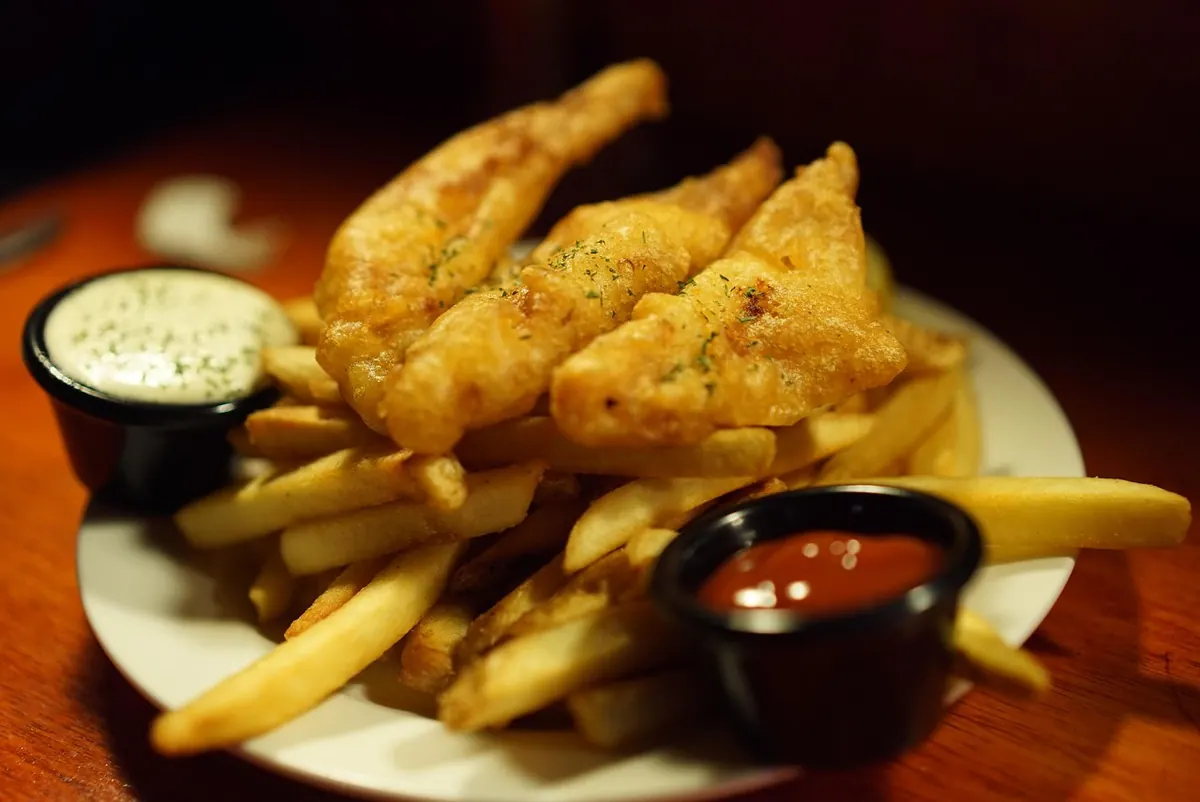
There's a particular Tynemouth afternoon that starts on Front Street and ends with salt on your fingers and a paper bag going soft with vinegar. Fish and chips here isn't just a meal. It's a small expedition.
Most people get the basics right. The difference between a decent bag and a memorable one rarely comes down to the shop. It comes down to how you order, when you turn up, and where you sit down to eat.
Here's the version locals tend to default to.
Cod or Haddock: Choose With Purpose
"Cod or haddock?" is the first question at any counter in the village, and plenty of people answer it on autopilot. Both fish are battered and fried the same way. What differs is the eating.
Cod is the chunkier of the two: big flakes that hold together, a mild flavour, and a texture that survives being carried up the coast. If you want the fish to be substantial and unfussy, cod is the safe pair of hands. It's usually the slightly dearer option, though the gap is small.
Haddock is finer and softer, with a sweeter, more distinct flavour. In the north-east it's the traditional order, and most people who switch never switch back. It flakes more readily, which is rather the point — you eat haddock with your fingers, tearing pieces away, and the batter does less structural work. Ask for haddock when you want the fish to taste of something rather than simply be a vehicle for batter.
If you're ordering for a group, get one of each and let the table argue about it. That's the local solution.
The Ordering Script
Walk in knowing what you want. The queue moves quickly, the fryer is working, and dithering is the one thing that marks you out. A local order sounds roughly like this:
- Say the fish first. "Haddock and chips, please." Not the other way round — the fish leads, because that's what's being fried to order.
- Give the size if it applies. Regular or large, a small one for the kids. One portion of chips between two people is perfectly normal and nobody will blink.
- Salt and vinegar at the counter, not at the table. "Salt and plenty of vinegar" is the standard request. Say it now, while the chips are hot and the batter is still open enough to take it.
- Add the extras. Mushy peas, curry sauce, a pickled onion, a cold can from the fridge. Decide before you reach the till.
- Eat in or take away. This is the one that changes everything.
That last point matters more than it sounds. If you're eating within ten minutes, take it away and go outside. If you aren't, eat in. Paper is a slow thief of heat and crispness, and a bag that has spent twenty minutes in a car is a different meal entirely.
Salt, Vinegar and Scraps
Salt first, then vinegar. The order matters. Salt clings to hot, dry batter; vinegar sinks in and softens it. Do it the wrong way round and you're simply washing the salt off again.
Then there's the question of scraps — the loose curls of crispy batter that collect in the fryer. Ask for them and you'll get a small nod of recognition. They're free or nearly free, they go on top, and they're quietly the best part of the bag. Some counters call them batter bits. Either name works; asking at all is what counts.
On sauce: salt and vinegar is the baseline, and plenty of locals stop there. Curry sauce is a fair addition on a cold day. Tartare sauce belongs with the fish, not the chips. Ketchup, on this coast, is a personal matter that nobody will comment on out loud but everybody notices.
You don't eat them on the way home. You eat them where you can hear the water.
Timing Is Half the Meal
The village has a rhythm, and the chip shops follow it closely.
- Midday to half past one is the working lunch. Busy, brisk, and the fryers are at their best because nothing has had time to sit under a lamp.
- Half two to half four is the quiet stretch. You'll be served fast, but ask what has just come out of the fryer rather than taking whatever is already resting.
- From five o'clock it builds. Friday is the busiest night of the week, and the queue is part of the experience rather than an obstacle to it.
- Weekends belong to the market crowd and the beach crowd. If the sun is out and the tide is low, expect a line down the pavement by six.
One more thing about timing: check the tide. If you're planning to eat on the sand, a rising tide will rearrange your plans faster than you think.
Where to Eat It
The journey is part of the flavour, and a few spots do the job better than others.
- The sea wall by the Spanish Battery. The classic. Wind, spray, and a clear line down the river mouth.
- The slope above Longsands. Room to sit, room for the dog, and the best light in the village late on a summer evening.
- King Edward's Bay. Steep steps down, flat sand, and the Priory standing over you. Worth the descent.
- The benches on Front Street. Underrated for a quick, wind-free bag when the coast is blowing a gale.
Wherever you sit, watch the gulls. Tynemouth's herring gulls are professionals. They work in pairs, they go for the hand holding the fish, and they are faster than you are. Eat over the bag, keep the bag closed, and never leave a paper wrapper on a wall while you answer your phone. That isn't a joke. It's the single most common mistake visitors make.
Things That Mark You Out as a Visitor
None of these will get you thrown out of the village, but they will earn you a gentle look.
- Asking for the vinegar after you've already been served.
- Ordering one portion of chips for four people and expecting gratitude.
- Leaving the scraps on the counter because you didn't know you could ask.
- Eating in the car with the windows up.
- Calling it a chippy tea at two in the afternoon. Save that phrase for Friday evening, when it means something.
None of it is gatekeeping. It's just that the details are the meal, and the people who live here have had a long time to work out which details matter.
The Last Word
Order haddock, ask for scraps, get the vinegar on at the counter, check the tide, and walk far enough that you can hear the water. That's the whole method. The rest is salt on your fingers and a paper bag going soft in your hand — which is exactly where this started.
Photo: fudowakira0 / Pixabay