Common Mistakes to Avoid When Eating Out in Newcastle's Grainger Market
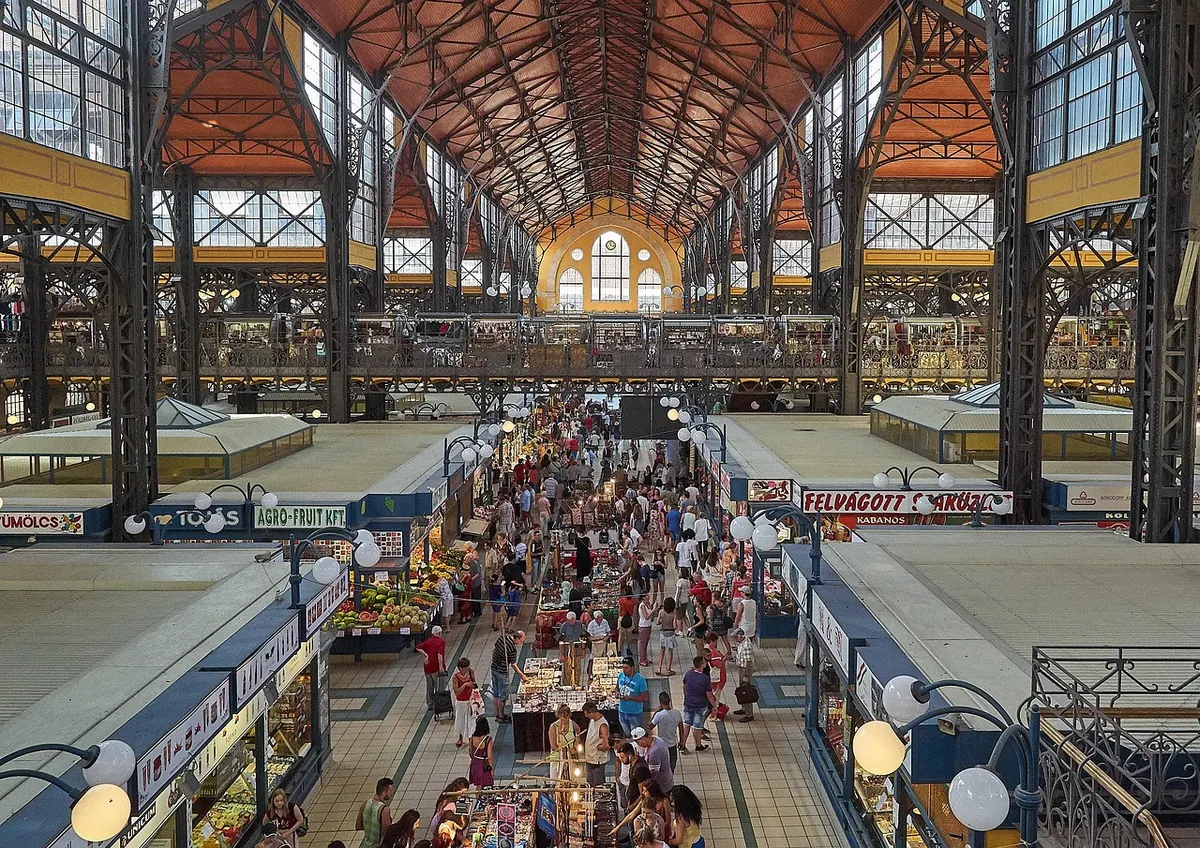
Grainger Market has been trading since 1835, and over those years it has been a butcher's row, a greengrocer's paradise and, more recently, one of the best-value lunches in Newcastle city centre. It is also faintly baffling the first time you walk in. Aisles run in more directions than you expect, individual traders keep their own hours, and the seating is shared, which means the etiquette is nothing like a normal café. None of it is hard once you know the shape of the place. But a handful of small missteps can turn a good lunch into twenty minutes of standing about with a cooling tray in your hands.
Expecting One Restaurant Instead of Twenty
The single biggest mistake is walking in with the mindset of a restaurant. There is no host, no single till and no shared kitchen. Grainger Market is a collection of independent businesses under one roof, and they behave like it.
That means each stall has its own menu, its own opening hours, its own card machine and its own rules about customisation. You cannot order a coffee from one counter and a sandwich from another and settle up once. You cannot assume the stall that was open on Tuesday will be open on Sunday, or that the trader who served you at 11am will still be serving at 3pm. Some shut early when they sell out, which on a busy Saturday can be well before the market itself closes.
So read the small print. Look at the signs on the counter rather than assuming, and if you are making a special trip for one particular thing, go early in the day rather than late.
Turning Up at Exactly the Wrong Time
Lunch in the market has a rhythm. Between roughly noon and 2pm on a weekday, the food aisles fill up quickly, and Saturdays are busier still. The city centre also swells on Newcastle United match days, so a fixture at St James' Park can change the mood of the whole market within an hour.
The simplest fix is to eat slightly outside the rush. Arrive at 11.30am and you will usually walk straight to a counter, get your food in a few minutes and have your pick of seats. Come at 2.30pm and you will find the same calm, though a few stalls may have sold out of their most popular dishes or started packing down.
If you can only come at peak time, accept the queue and use it. Decide what you want while you are waiting rather than staring at the board when you reach the front.
The Seating Rules Nobody Explains
Seating is shared, and sharing is normal. Sitting down next to a stranger is not rude here; hovering awkwardly while a table of two finishes is far more annoying. If a bench has space, take it.
What does cause friction is territory. Do not drape a coat over a six-seat table and disappear for fifteen minutes to queue. Do not spread a bag, a phone and two shopping bags across a bench while your group eats. Push along, make room, and clear your tray when you leave — most traders appreciate it and the next person will thank you.
Some tables and counters belong to a specific café or food stall, and they are meant for that stall's customers. It is usually obvious from the layout, but if in doubt, ask.
The most useful habit is the split-and-conquer routine. One person sits down and holds the space; the other orders. Then swap if someone wants to browse the produce aisles afterwards.
Payment and Collection Pitfalls
Most traders take card, but the market is not a shopping centre, and a few smaller stalls still prefer cash or set a minimum spend before the card machine comes out. Turning up with a five-pound note in your pocket costs nothing and saves the occasional awkward moment.
- Pay per stall. Do not ask one trader to add your friend's order from a counter down the aisle.
- Check the minimum. It is usually printed on a small sign by the till. Look before you order, not after.
- Keep your ticket or listen for your name. Freshly cooked orders are usually collected back at the counter, not brought to your table.
- Do not block the aisle. Queues often form away from the counter in narrow walkways. Join the back of the queue, not the middle of the walkway.
- Have a backup. If a card payment fails in a covered building, it is usually a signal problem rather than your card. A little cash keeps lunch moving.
- Tipping is optional. A jar may sit on the counter, and nobody will mind either way.
One more thing worth knowing: if you have a serious food allergy, ask at the counter before you order. Market kitchens are small, surfaces are shared, and written menus rarely capture everything you need to know. For anything medical, take advice from a qualified professional rather than a menu board.
Ordering Mistakes That Cost You the Good Stuff
Assuming everything is available all day
Breakfast items often stop at a set time in the late morning. Popular bakes, sandwiches and hot specials run out. Produce stalls are at their best in the morning, and the good bread tends to go before lunch rather than after it.
Being shy about asking
At made-to-order stalls, asking to leave off the onion or add extra sauce is usually fine. At a stall selling pre-made pies or pastries, it is not, and asking anyway just slows the queue. Read the setup before you request changes.
Over-ordering
Portions vary wildly between traders. Order one thing, eat it, then go back if you are still hungry. That is one of the real pleasures of a market: you can build a lunch from three different counters and pay as you go.
Ignoring the takeaway option
Plenty of stalls sell food to take away, and the produce traders will happily sell you cheese, olives, cured meat or fruit for later. A market lunch does not have to be eaten at a market table.
Habits That Make a Grainger Market Lunch Easy
- Go before noon or after 2pm if you possibly can.
- Walk the full loop once before committing. Menus and queues look different two aisles along.
- Carry a small amount of cash alongside your card.
- Grab a seat first, or send one person to hold one, before the food arrives.
- Order one dish at a time and graze across stalls.
- Clear your tray, stack your plates and leave the table as you found it.
Treat the market as what it is — a working building full of small businesses doing their own thing — and it rewards you. Go early, keep an eye on the signs, sit down next to someone, and eat your way along the aisle. It is the cheapest good lunch in the city centre, and once you know the rhythm, it is also one of the easiest.
Photo: algorino / Pixabay