Hotel Check-In Mistakes to Avoid in Newcastle: A Local Explainer for Late Arrivals
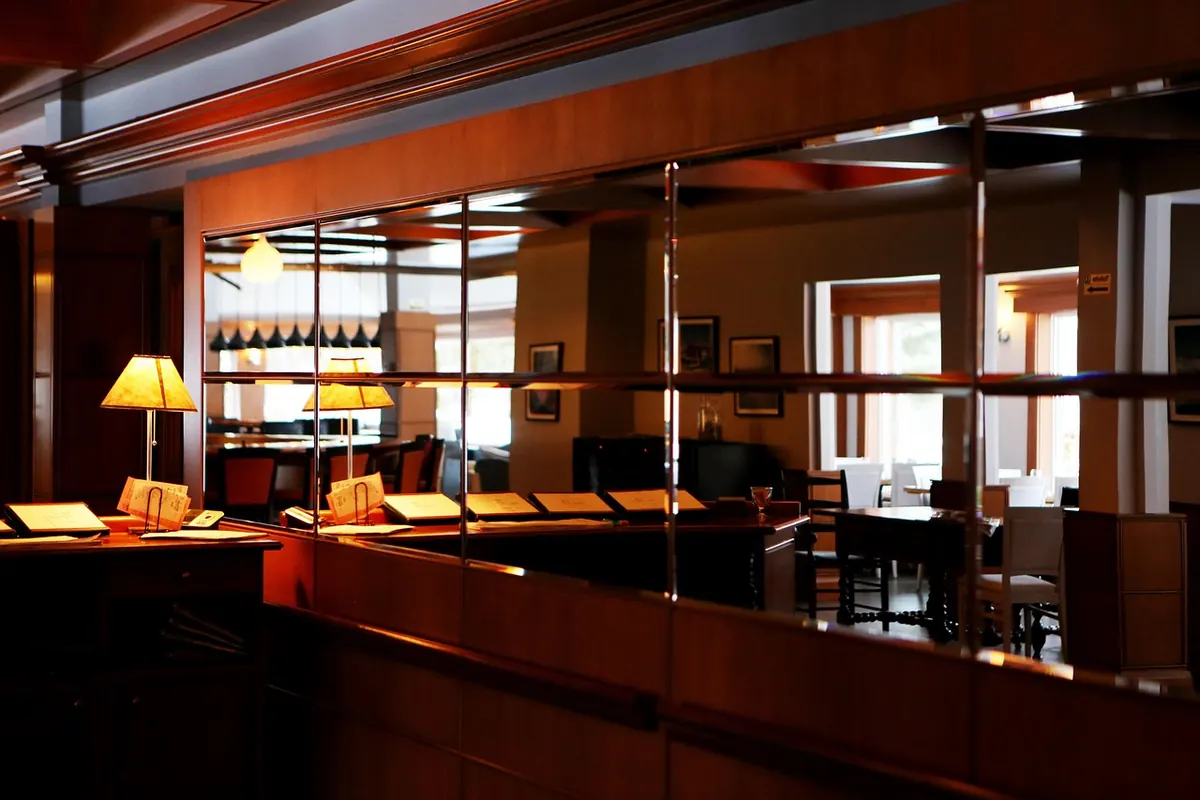
You booked the room weeks ago. The train is running late, the A1 has a lane closed, and you're standing in reception at half eleven with a suitcase that has lost a wheel. None of that is unusual in Newcastle. What turns a late arrival into a bad one is rarely the delay itself — it's a handful of small assumptions about how a hotel works after dark.
What "late check-in" means at different kinds of Newcastle hotel
The phrase means different things at different properties. A large chain hotel on Grey Street, the Quayside or beside Central Station will almost always have someone on reception through the night, and a 1am check-in is a non-event. A ten-room guesthouse in Jesmond is another matter: reception may close at nine or ten, and your arrival is handled by a key safe or a door code sent by text. Serviced apartments often have no reception at all.
The mistake is reading "24-hour reception" or "late check-in available" as a promise. Call the hotel directly — not the booking site — the day before you travel, say roughly when you expect to arrive, and ask two questions: what's the latest time someone will be at the desk, and what happens if you miss it. Take the name of the person you speak to and a direct number, and save it offline. If you're on a flexible rate and simply don't turn up, some hotels will release the room after a certain hour and charge you anyway.
Have your ID and card ready before you reach the desk
Photo ID and the card used to pay are the two things that most often leave late arrivals stuck in a lobby. UK hotels commonly ask for both, and some check that the name on the booking matches the name on the ID.
That's where third-party bookings go wrong — a room booked by an employer, a partner or a friend, with the card in someone else's name. Ask them to add your name to the reservation and, if possible, to send written authorisation to the hotel. Paying on a debit card can tie up part of your balance in a hold for incidentals; a credit card is simpler. Some properties set minimum age policies, often 18 or 21, so check before booking for a younger guest.
Parking when it's dark and you don't know the city
Almost no city-centre hotel in Newcastle has parking for all its guests, and the ones that do usually charge for it. A few things worth sorting before you arrive:
- Ask whether the hotel has a discounted rate at a nearby multi-storey. It's often cheaper than turning up at the barrier.
- Pre-book a space if you're arriving after six. The multi-storeys around Eldon Square, the Gate and Grainger Town are predictable; street parking in the centre is not.
- Matchdays and arena nights change the picture. Roads around St James' Park close briefly around kick-off and full time, and the Quayside fills up for events.
- If you're driving a van, camper or older diesel, check the city's clean air zone rules first. They apply to some commercial vehicles rather than ordinary cars.
- Permit zones cover much of Jesmond, Heaton and the streets near the centre. A space that looks free at midnight may have a ticket on it by morning.
- You can usually stop in a loading bay long enough to unload bags. Ask reception where they'd send you.
Bags before check-in and after check-out
Most hotels will hold bags for guests, though some charge per bag. Ask before you travel, particularly if you land at 9am and the room won't be ready until mid-afternoon. Treat a luggage room as a convenience rather than a vault: passports, laptops and anything valuable should stay with you. A few paid left-luggage services operate near the station and in the centre, but their hours are mostly daytime, which is little help to a late arrival.
Event weekends: the booking traps
Newcastle's calendar concentrates risk. Great North Run weekend in September, home games at St James' Park, big gigs at the arena, graduation, the Christmas markets — on those dates minimum stays appear, flexible rates vanish and deposits become non-refundable.
Two traps catch visitors. The first is geography: a hotel described as "Newcastle" may sit out at the airport in Ponteland, off the A1, or across the river in Gateshead. Fine if you've planned the taxi, less fine at 1am. Check the postcode on a map rather than trusting the headline. The second is the no-show: on a prepaid, non-refundable rate, arriving a day late because a train was cancelled is your problem rather than the hotel's, and travel insurance may not help. Read the cancellation terms before you pay, and if the money matters, ask the provider or your insurer directly.
Small details that catch late arrivals out
Newcastle upon Tyne and Newcastle-under-Lyme are different places with different postcodes, and search results mix them up constantly. Within the city, NE1, NE2 and NE6 can look close on a screen without being a short walk apart.
Transport is the other trap. Newcastle Central is the main rail station; Manors and Heworth are Metro stops; the Metro from the airport runs into the centre, but most routes wind down around midnight. Taxi ranks outside Central Station stretch after the last trains, so pre-booking a cab is money well spent. And if you arrive after the kitchen closes, room service isn't a fallback — know what's still open nearby, or eat before you travel.
Before you travel: five things to sort
- Confirm the last check-in time in writing, and tell the hotel roughly when you'll arrive.
- Save the hotel's direct number and any out-of-hours contact somewhere you can reach offline.
- Carry photo ID and the card in the booking name, or written authorisation if someone else paid.
- Decide where the car goes before you set off, and book a space on event nights.
- Ask about bag storage, and what happens to your room if you're delayed.
Late arrivals are routine in a city with late trains, big gigs and a football ground in the middle of it. One phone call the day before does most of the work.
Photo: Pexels / Pixabay